A 25,000 ha agroforestry project generating verified nature-based carbon removals in Angola’s Malanje province — improving soil health, strengthening farm productivity and resilience, and restoring ecological function.
smallholder farmersEarmarked to participate in implementation
0
trees per haIntegrated native + fruit tree systems
0
MtAvocados, mangoes, etc.
0
MtMaize, beans, etc.
0
The challenge
The complexities buyers must navigate.
01
EARLY-STAGE QUALITY IS HARD TO ASSESS
Investing in nature-based projects requires decisions before full validation and issuance. At this stage, assessing land suitability, implementation capacity, and long-term delivery risk remains complex — given inconsistent approaches across projects.
02
ACCESS TO SCALABLE, INVESTABLE PROJECTS IS CONSTRAINED
Relatively few projects combine meaningful scale with a credible path to delivery. Land use initiatives involving smallholder farmers require infrastructure, local partnerships, and alignment with national strategies, alongside established technical capability.
03
CAPITAL IS NEEDED BEFORE PROJECTS ARE FULLY DERISKED
The point at which projects require funding is also when execution risk is highest. Land access, institutional coordination, and delivery capacity are often still being established. Later-stage projects may offer greater visibility, but with reduced flexibility and higher entry costs.
The Kaya answer
DESIGNED FOR CONFIDENCE & Trust
Verified Integrity
TRANSPARENCY FROM THE GROUND UP
KAYA operates locally through a dedicated R&D centre, project sites, and field-based delivery teams. Developed against leading certification frameworks (Verra and Isometric), land suitability and baseline assessments combine remote sensing, pilot sites, field data, and ongoing stakeholder consultation.
Early-Stage involvement
ACCESS TO PROJECT-LEVEL VALUE CREATION
Buyers can engage at the project level, prior to credit issuance — participating during development and scale-up, while aligning with key aspects of project design and impact measurement as it evolves.
IMPLEMENTATION CONFIDENCE
Backed by institutional engagement and data
With nurseries and pilot sites established, and agricultural cooperatives with clear tenure already engaged, crop yields, farmer incomes, and ecosystem health are monitored to ensure verifiable impact. Ongoing government engagement supports alignment between private sector participation and Angola’s rural development priorities.
Investor Perspective
“Our investment in KAYA, a developer of nature-based solutions in Southern Africa with support from the Voluntary Carbon Market (VCM), remains strategically important and reflects Crown Energy’s renewed focus on sustainability.”
Yoav Ben-Eli | CEO Crown Energy AB
Project overview
Strengthening farmer resilience. At scale
WHY THIS LANDSCAPE?
Malanje’s agricultural landscapes face fragmented land use, limited agricultural support systems, and vulnerability to climate shocks. The project strengthens smallholder resilience through introducing native and food tree species, while supporting mixed cropping across previously degraded farming landscapes.
WHY DOES EARLY IMPLEMENTATION MATTER?
The project is designed to help aggregate smallholders via additional agricultural cooperatives, coordinate across farming communities, and formalise land tenure arrangements. KAYA’s community development programme combines direct support mechanisms designed to strengthen food security, rural resilience, and market participation.
Investment Profile
The project is designed to scale over a 14-year period—from 6 cooperatives already onboarded to over 150—with a 40-year crediting horizon and carbon removal potential of ~7.6 tCO₂e/ha/yr. This phased approach supports structured growth, predictable issuances, and the long-term development of agricultural value chains.
Project location
Malanje Province, Angola.
Community in action
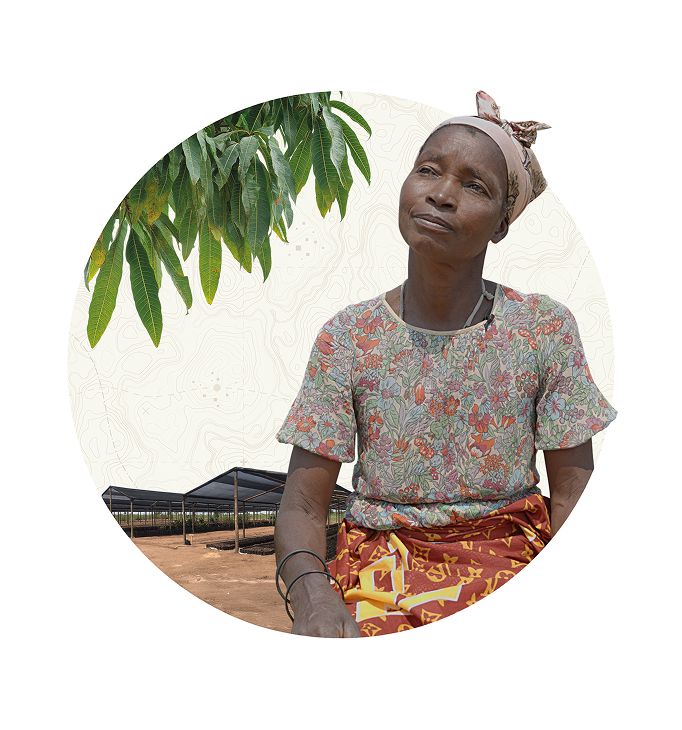
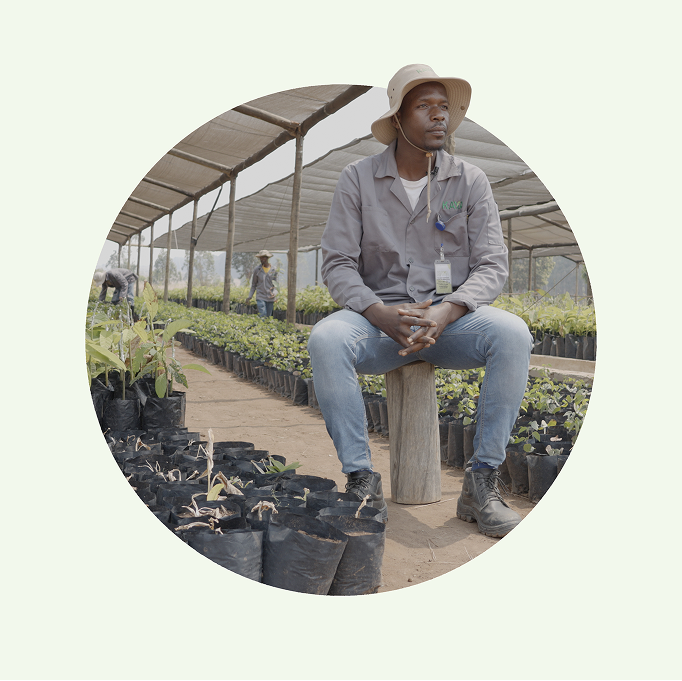
Community engagement, nursery operations, and farmer training activities underway across project landscapes in Malanje province.
The KAYA Environmental Research & Development Centre supports scalable agroforestry systems designed to strengthen rural resilience and long-term carbon removals.
Project Timeline
From development to first issuance.
Q4 2023
Pre-feasibility assessment started in Malanje
Q4 2024
Feasibility assessment completed
Q2 2025
project development started
Q1 2026
Isometric Standard eligibility passed
Q2 2026
Current Phase
Raising project capital for start of implementation
Q2 2027
Validation audit
Q1 2030
Verification & first credit issuance
2028-2041
Scale up phase
Get in touch
Interested in the Malanje Agroforestry Project?
Request a Call with our CEO Chaitanya Sure
In 30 minutes we’ll find out together, if our Malanje Agroforestry project can meet your needs as a buyer